
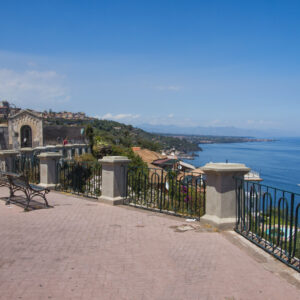
Village of Santa Caterina
The village of Santa Caterina, formerly known as “Cavallari”, is made up of narrow streets decorated with flowers and citrus trees. The village is located on one of the highest lava ridges of Timpa; an impressive view enriched by the precipice on the sea. … read more
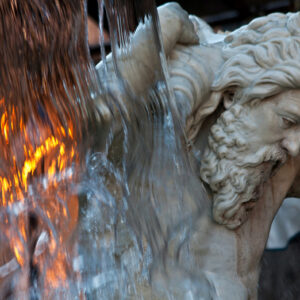
Amenano’s fountain
In front of the Elephants’ Palace, the Town Hall, on the south side of Piazza Duomo you can see the Amenano’s fountain, its name derives from the Amenano river that flows underground. People of Catania call this marble fountain: ‘acqua o’ linzolu’. … read more
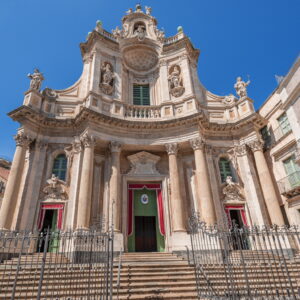
Collegiata Church
It’s one of the oldest churches in the city, in fact, the original structure was probably built in the early centuries AD. After the earthquake in 1693, the Church was destroyed almost all and it was rebuilt by Antonio Amato, who modified it. … read more
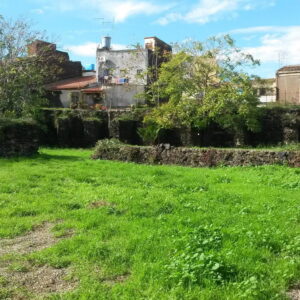
Bastion of Infetti
The bastions were built in Catania in the early sixteenth century by Emperor Charles V of Spain. The Bastion of Infetti (infected) is the best preserved among the eleven bastions that, together with seven gates, formed the defensive system of Catania. … read more
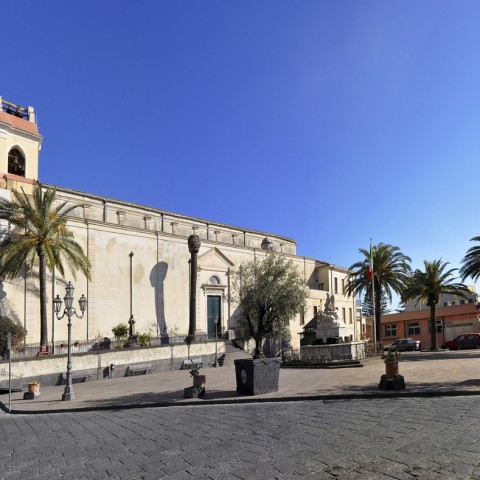
Piedimonte Etneo
Piedimonte Etneo is on the eastern slopes of Etna. Among its principal monuments is the Mother Church erected in the XVIII century and dedicated to the Madonna del Rosario which dominates Piazza Madre Chiesa, the Convent of the Capuchin Fathers and the church of the Immacolata. … read more
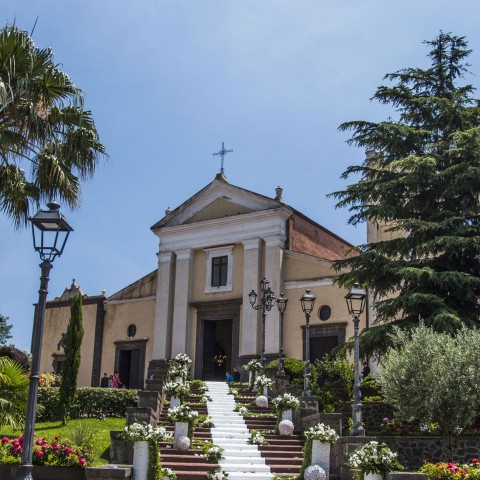
Tremestieri Etneo
The commune of Tremestieri Etneo is situated in a hilly area dominated by the volcano, at about 400 m.s.l. The territory of Tremestieri, given its favourable environmental conditions and its position, has been settled since ancient times. Today it is well known for its local agricultural and craftworks products. … read more
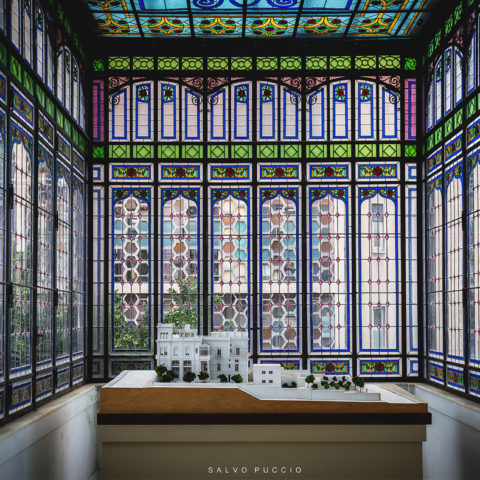
VILLA ZINGALI
The villa was designed by the architect Paolo Lanzerotti and represents the testimony of one of the most evocative Liberty buildings in Catania. A building composed of a central and … read more
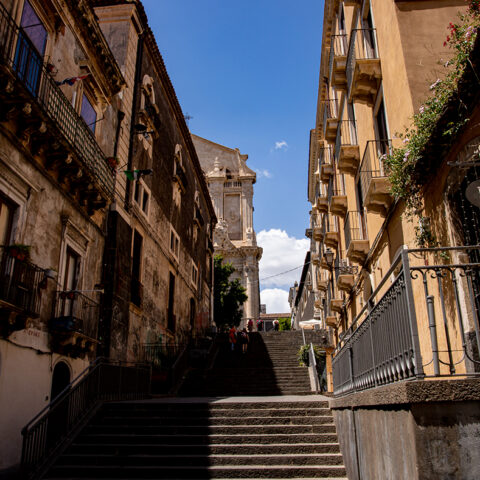
Scalinata Alessi
A strategic point in which to observe the heart of the city’s Baroque art, which in recent years has become a meeting place for the LGBTQIA+ community. … read more

Mondo Fluttuante Studio
Mondo Fluttuante Studio is a versatile and dynamic art studio where different forms of artistic expression converge. Its owners have decided to open their doors to the city, so they can show everyone their creative process! … read more
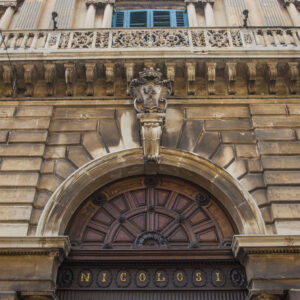
Nicolosi Palace
Between the eighteenth and nineteenth centuries Acireale nobles built their residences in Corso Umberto; Nicolosi Palace is one of them. The palace was built after the earthquake of 1693 and restored in late Baroque style, made following the enlargement of today’s Corso Umberto. … read more
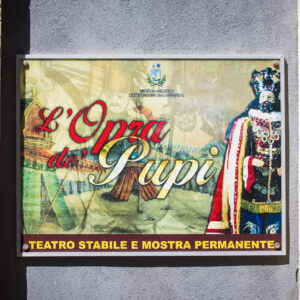
Theater of Opera dei Pupi
The theater hosts the permanent exhibition of the collection of the Theater Pennisi-Macrì, made up of puppets and Sicilian theaters’ equipment. The puparo, inspired by works such as “Gerusalemme Liberata” by Torquato Tasso, skillfully represented the stories of the paladins. … read more
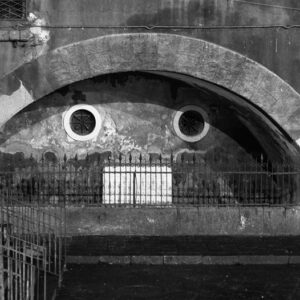
Amenano river
The Amenano is a perennial current river; it flows into the sea in the Gulf of Catania. Its path is now underground and its mouth is located at the center of town near the Uzeda gate of Catania. The river splits into three little rivers. … read more
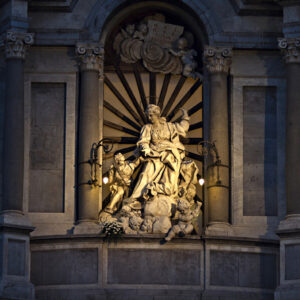
Saint Agatha’s Cathedral (Duomo)
Saint Agatha’s Cathedral takes its name from the “Santuzza” protector of the city, her feast day is on February 5th. With its massive structure, the Cathedral has the characteristic contrast between the gray and white marble it’s used for the decorations. … read more
San Berillo
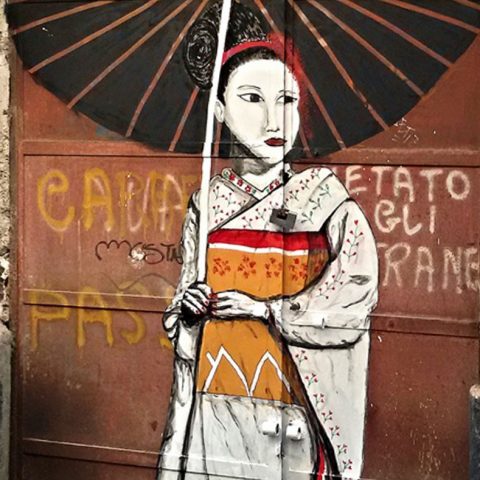
In order to know the history of Catania you need to take a look at one of its historic neighbourhoodsIn the centre of Catania, San Berillo shows its visitors many faces and facets with its Baroque and Fascist buildings, some unfinished and some destroyed by bombardments or other events, and with its simple houses. … read more
Bonajuto’s Chapel
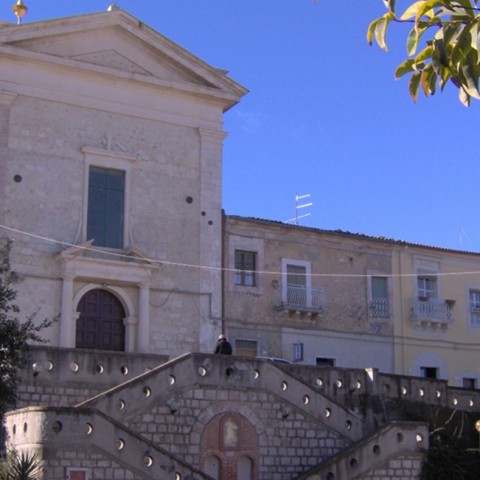
It was built between the sixth and ninth century AD, the Chapel is located in the homonymous Bonajuto’s palace. It’s dates in Byzantine era, the building has escaped to the terrible earthquake in 1693, and therefore it has a lot of medieval and fifteenth testimonials. … read more
CONVITTO CUTELLI
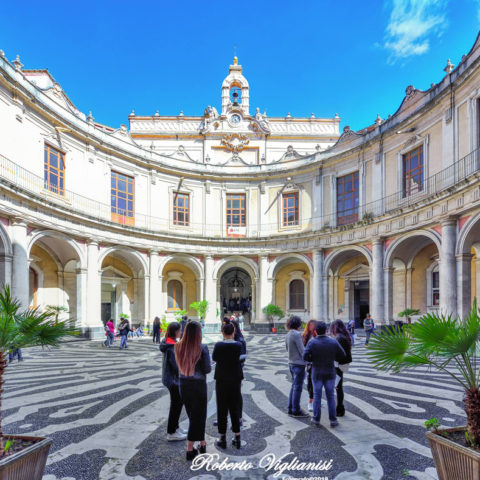
Built in 1760 by testamentary will of the jurisconsult Mario Cutelli, count of Villa Rosata and lord of the Alminusa who established that in case of extinction of the male … read more
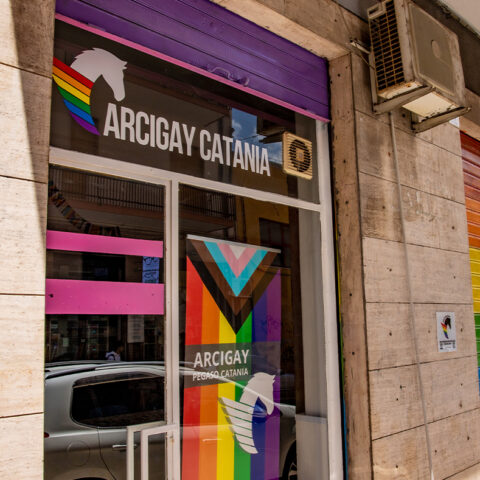
Arcigay Pegaso Catania
Arcigay aims to protect the rights of LGBTQIA+ people. A new home where people can feel safe, study, socialize and participate in discussions related to LGBTQIA+ issues. … read more
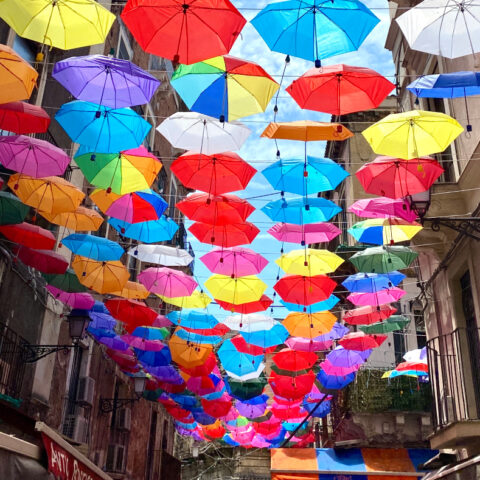
Umbrella’s Street
The ‘Umbrellini Street’ is one of the liveliest and most Instagrammable corners of Catania. … read more

Sanctuary of the Madonna of the Sciara Mompileri
In 1537 and in 1669 two lava flows, born as a result of the eruptions of Etna, hit the ancient sanctuary full of sacred works. For years, people dug without any success until 1704, when it was found the stature of Madonna delle Grazie. From then, near to it there is a small church. … read more