
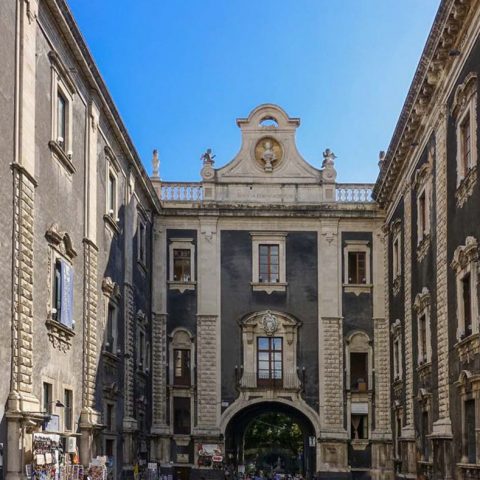
Uzeda gate (porta Uzeda)
Uzeda gate connects the two parts of the old Clerks’ seminary, it was built in 1695 by the Duke of Camastra and was dedicated to the Viceroy Paceco Uzeda. It’s considered a symbol of the city and it is built in typical Catania baroque style: lava stone and white marble. … read more

Palazzo dell’Università
The original Palazzo dell’Università’s plant is dated back to 1434. It was built by Alfonso the Magnanimous, founder of “Siculorum Gymnasium”. It was destroyed by the earthquakes in 1693 and in 1818; and restored many times over the centuries. … read more

MF Museum&Fashion
Project of the Sicilian designer Marella Ferrera, inaugurated in 2008. A new concept of museum that tells a story of emotions, with links about experiences and particular signs. Elegant place where she decided to set up the exhibition “Beyond the dress … Thought”. … read more
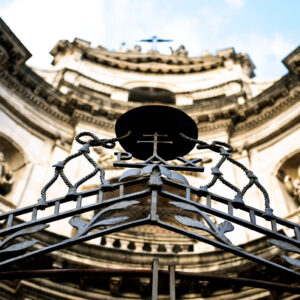
Saint Placido’s Church
The St. Placido’s Church is placed near the Cathedral. The original structure of this building, that is dated back to 1409 and was built on the ruins of an ancient pagan temple, was completely destroyed by the earthquake in 1693. … read more
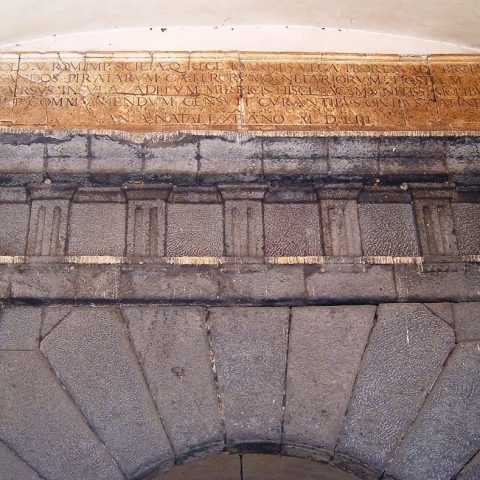
Charles V entrance (or Canals’ one)
The Charles V entrance is the only one of the seven that made up the ancient city’s walls, still exists. The construction of the walls began in 1541 by the viceroy Vega with the aim of improving the defensive capability of the city against pirates who frequently attacked the coast of Catania. … read more

Church of St. Maria del Suffragio
The church of St. Maria del Suffragio stands in the district called “Quartiere dei Morti”. The church, built in the first half of the Seventeenth century, was restored after the earthquake of 1693. … read more

San Pietro Clarenza
The commune of San Pietro Clarenza (6,000 inhabitants) is situated on a hill at an altitude of 463 m.s.l. on the southern side of Etna. Its origins date back to the … read more

VILLA MANGANELLI
Created by the Palermo architect Ernesto Basile, the villa now hosts wonderful private parties. From the clear liberty influences inspired by the Viennese secession, the villa was commissioned by Prince … read more
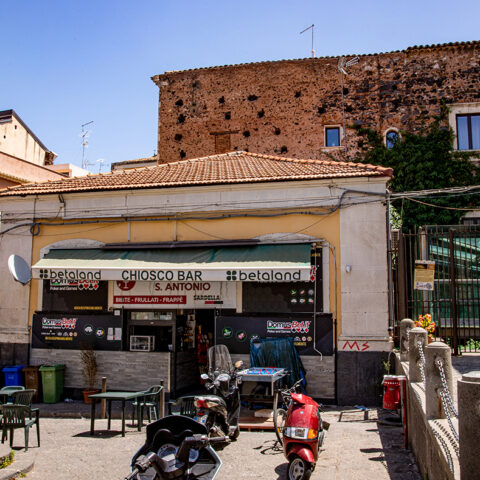
Only-men Ballroom
A recreational place for the LGBT community of the last century of extreme importance. Safe place from which the forty-five “iarrusi” were forcefully taken. … read more

La Verde La Malfa Foundation – Art Park
A residence-museum immersed in one hectare of sculptural park, born in 2008 from the will of the artist Elena La Verde. The Foundation offers guided tours, exhibitions, concerts and workshops and events. … read more
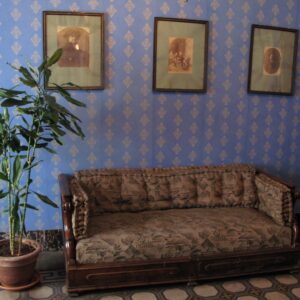
Giovanni Verga Museum
It’s located on the second floor of the nineteenth-century palace in Via Sant’Anna, the apartment, where now is based the regional museum, before was the famous writer Giovanni Verga’s home. Inside, are preserved the intact furnishings and objects that belonged to the writer. … read more

Palazzo dei Chierici
The Palazzo dei Chierici, also is known as the Clerks’ Seminary (which once housed it), it’s connected to the Saint Aghata’s Cathedral through an overpass that goes over Uzeda’s entrance. The inclution of building inside the city walls is its hallmark. … read more

The Pescheria
The “Pescheria” (Piscaria in Sicilian language) is the old fish market in Catania, which still retains and preserves the ancient folklore. Among the oldest monuments of the city, it extends the fish market. So many people crowd it all day. … read more

Saint Giuliano’s Church
It’s located in the charming and characteristic via Crociferi, it’s seen by many as the “pearl” of the eighteenth century city’s reconstruction. Although this building is attributed to Vaccarini’skill and was probably built between 1739 and 1751. … read more
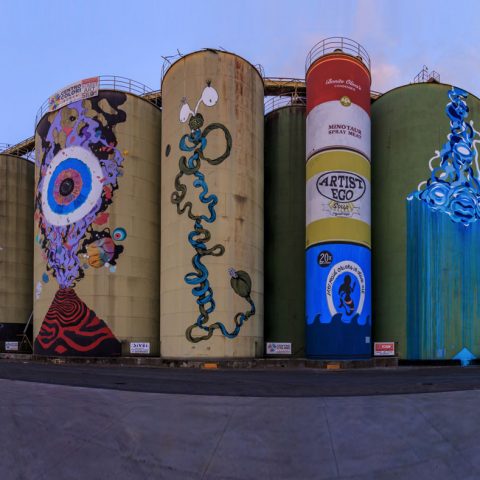
Street Art Silos
The city port has undergone a transformation and become an open air art installation. Eight silos became a spectacular 21st century monument; not mere graphic representations but a contemporary story that is inspired by Sicilian traditions. … read more
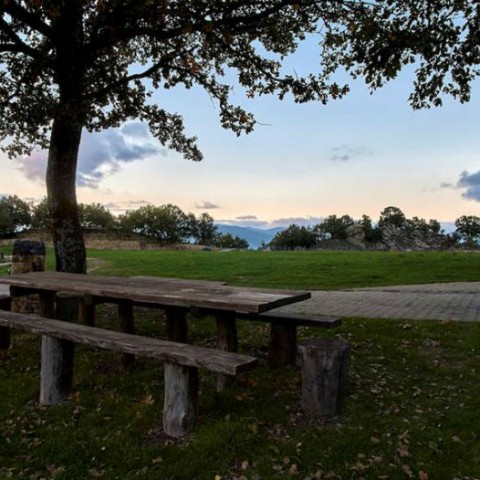
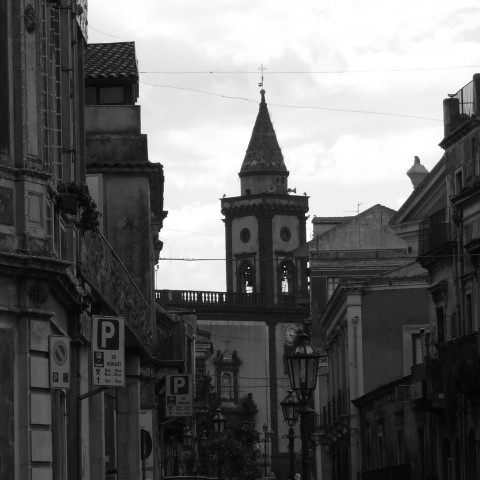
Mascalucia
A large town to the north-east of Catania that lies along the main route up to Etna, on hills that form the southern slopes of the volcano, betweeen 420 and 520 m.s.l. It was inhabited until Roman times; today the he old town centre of Mascalucia is centred on via Etnea. … read more
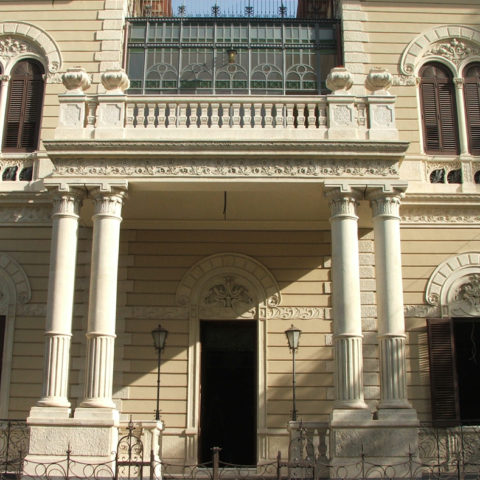
VILLA DEL GRADO
This villa, also known as Villa Cocuzza, was designed between 1903 and 1908 by the architect Agatino Atanasio. Consisting of a central body and four corner towers, the villa is … read more
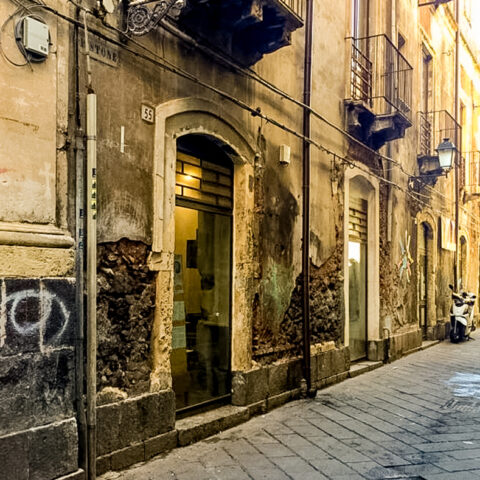
Trame di quartiere and San Berillo
A Vital, safe and gathering core for the LGBTQI+ community. Subject of the goals of the Association Trame di Quartiere to give a new cultural imput to the current context of the district, creating a “bridge” between past and present. … read more
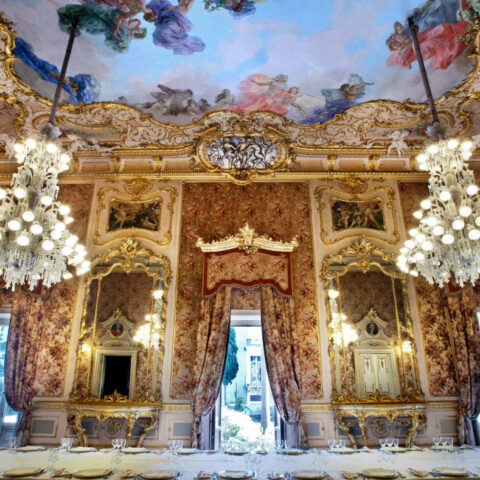
Manganelli Palace
Built in the 16th century, it was for years the home of the noble Paternò family. Like many other buildings, it was damaged during the 1693 earthquake, but the perimeter walls remained standing. … read more