
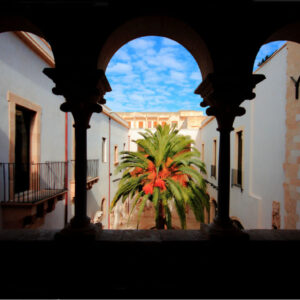
Regional Gallery of Palazzo Bellomo
The Gallery of Palazzo Bellomo, museum of medieval and modern art, is located next to the church of St Benedict in the historic center of Ortigia, near the fountain Arethusa. … read more

Umbertino Bridge
Dating back to the second half of the Nineteenth century the island of Ortigia is connected to the mainland by the Umbertino Bridge. The bridge takes its name from Umberto … read more
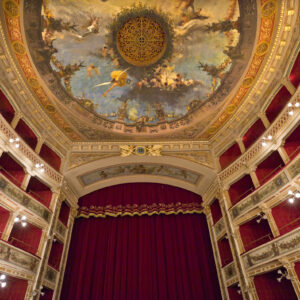
City Theatre
The construction of the theater dates back to 1872 by the military engineer Breda and was built where once stood the church and monastery of the Annunciation and the palace … read more
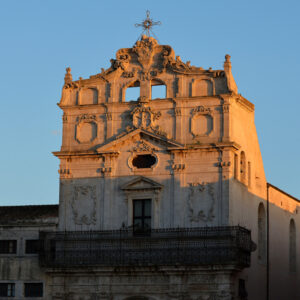
Church of Saint Lucia alla Badia
The Church and the Cistercian convent dedicated to St. Lucia had a prominent place in Syracuse, because of its location in the heart of Ortigia and especially for the feast … read more

Eurialo Castle
The Castle Euryalus represents one of the largest and most complete military works of the Greek period. The name derives from the Greek word Eurvelos (“large base nail “), which … read more
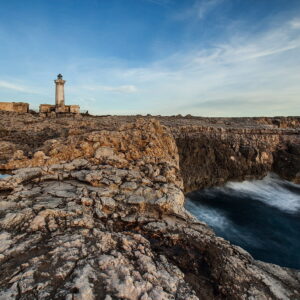
Maddalena peninsula
Of great archaeological interest is the visit to the Plemmirio, reachable by a road of about 7 km along Porto Grande. The name derives from the presence in the peninsula, … read more
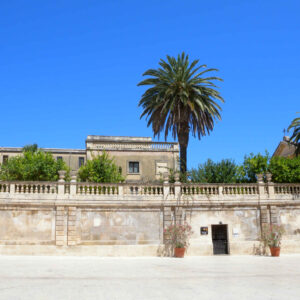
Hypogeal Path of Piazza Duomo
The Hypogeum of Piazza Duomo is an underground path which is accessed by a small opening located along the wall of the garden of the Archbishop’s Palace. The path was … read more

The Basilica of Saint Lucia al Sepolcro
The Basilica stands on the place Saint Lucia, patron saint of Siracusa, was martyred. Probably built over a byzantine basilica the actual building was built by the Normans over an … read more
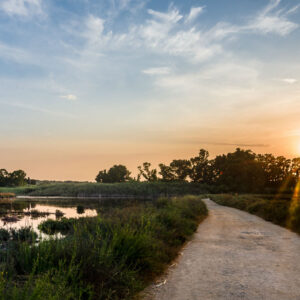
Vendicari Reserve
The naturalistic reserve of Vendicari, thanks to the presence of quagmires, areas cherished as a resting place for migratory birds, is the most important humid area in the Southeast coast … read more

Fonte Aretusa
The legend tells that river god Alpheus fell in love with Arethusa, nymph of Artemis, and he tried to seduce her in every way. Aretusa invoked the intervention of the … read more

Archaeological site of Akrai
Akrai’s colony was founded in 664-663 BC. by the Syracusans Corinthians. Destroyed by the Arabs at the apex of its glory in the 827 BC., the ruins of the city … read more
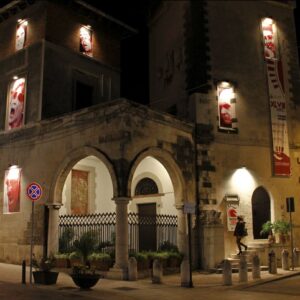
I.N.D.A. – Greco Palace
The island of Ortigia has several jewels dating back to Middle Ages and buildings built in fascist style, including the Greco Palace which is the current headquarters of the National Institute … read more
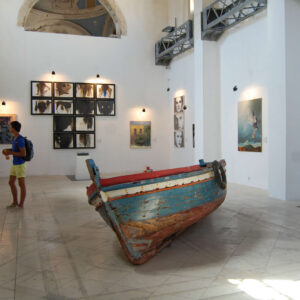
Civic Gallery of Contemporary Art Montevergini
The seventeenth-century Church of Santa Maria di Montevergini, including the ancient Benedictine Monastery, is one of the most important examples of monastic Syracuse. It is located on the island of … read more
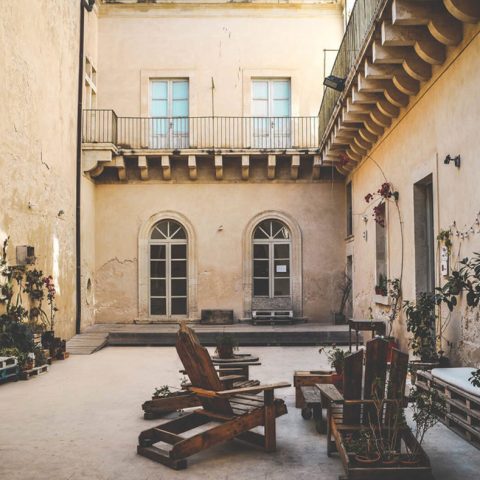
The HUB – Former Convent of Ritiro
In 1730 Pompeo Picherali built the church and the convent. For a few years, some youth have transformed the convent in a co-working space for Sicilian social innovator, where to meet other entrepreneurs with whom share our experiences. … read more
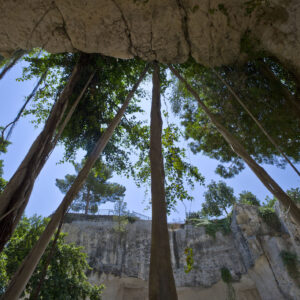
Latomia of the Capuchins
The one of Capuchins is certainly the oldest and most beautiful Latomia of Syracuse. The link with the Minor Friars of St. Francis dates back to 1582, when the University … read more
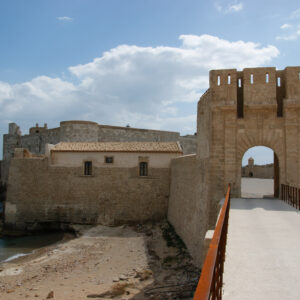
Maniace’s Castle
In front of the mythical Fonte Aretusa, we can see the imposing Maniace’s Castle, on the extreme tip of the island. The building is among the most important monuments of … read more
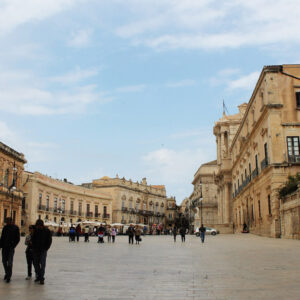
Arcivescovado
The traces of the ancient palace of the bishops are still visible in the portico and inside a small chapel with mighty vaults which recall those of Maniace castle and … read more
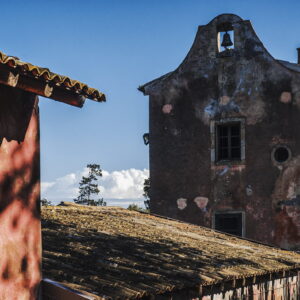
Basilica of the Murgo
The Basilica of the Murgo is an eighteenth-century church, situated not far from the center of Agnone Bagni. The church was built by Federico II of Svevia but it was … read more
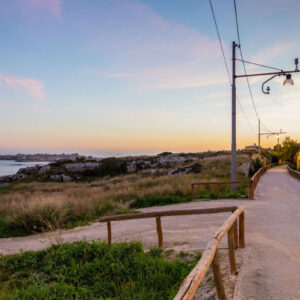
Cycling Road
The cycling road Rossana Maiorca, opened in 2008 on a former railway track, extends for 6.56 km from the Monument to the Caduti of the Sea in Contrada Targia, through Mazzarrona and the tuna fishery … read more
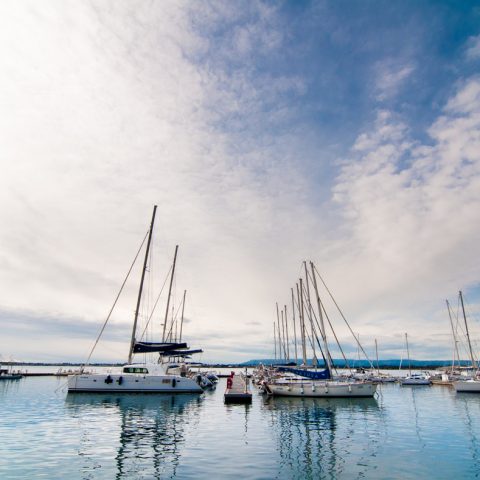
Tourist port
Beautiful and bright seafaring city. Siracusa has always been characterised by a special relationship with the sea that surrounds and embraces the city. It is located in the big Port, one of the most ancient and still active maritime ports, … read more