
Mamma Etna, a Fimmina della Sicilia. I miti che hanno reso donna il Vulcano più grande d’Europa
Citymap SiciliaArticle writed in collaboration with the team of the magazine Living in the City, an initiative born in Catania with the goal of highlighting local stories and culture
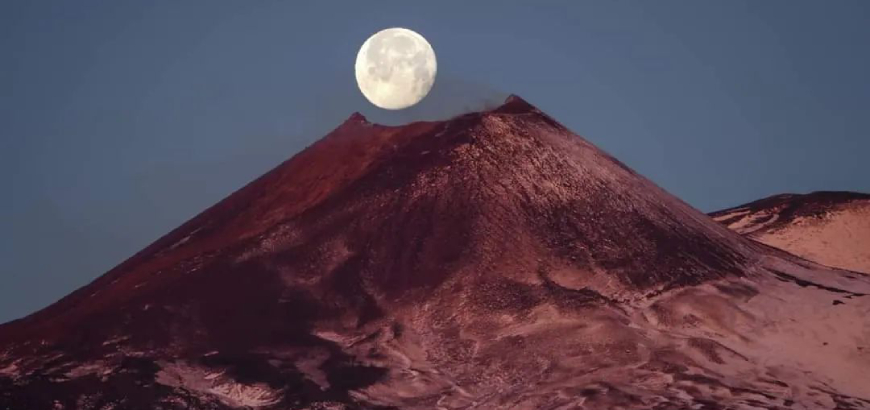
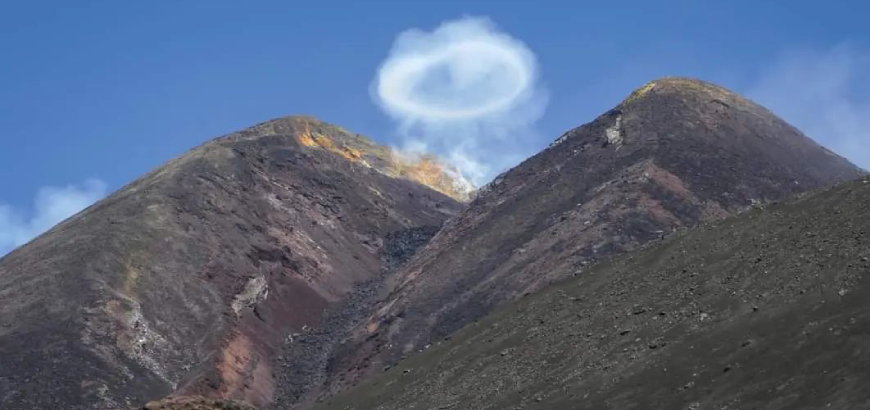
Her Majesty Mount Etna: “A ‘Muntagna”. The nicknames that the people of Catania in particular, and Sicilians in general, give to the largest active volcano in Europe are many, but what they all share is a great devotion and admiration for its majesty and the power it holds over the land of the Sicilians.
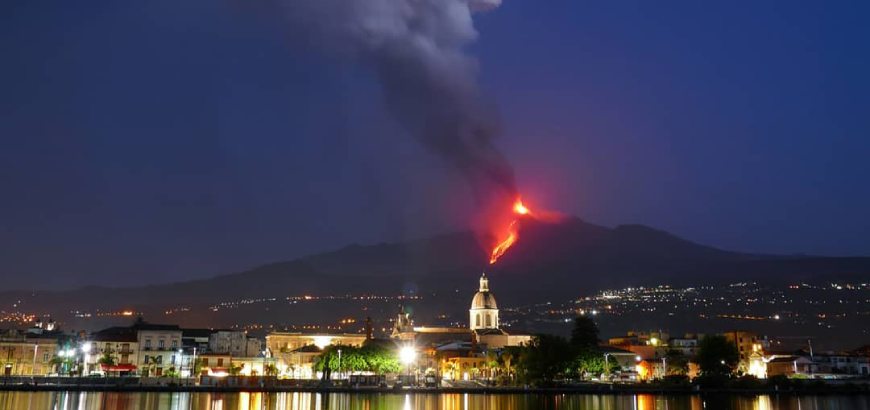
Indeed, for the people of Catania, Mount Etna embodies the strength and beauty of nature, along with a deeply felt maternal and protective bond.
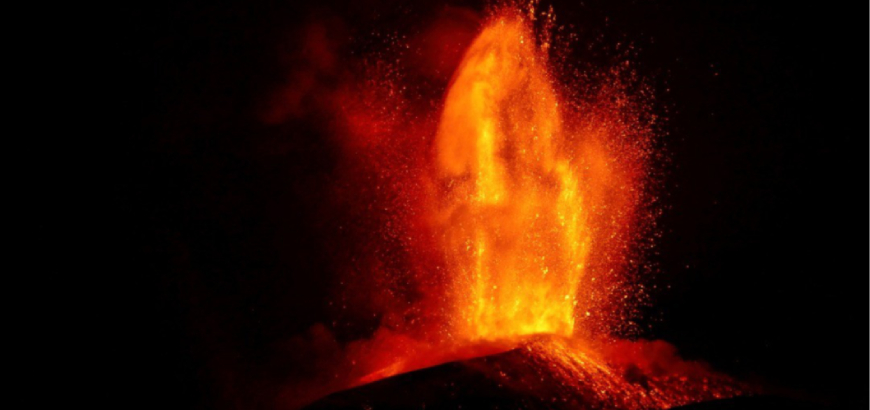
Since 2013, a UNESCO World Heritage site, Etna, with its eruptions—sometimes disastrous, other times enchanting and spectacular—continues to reshape the landscape, turning a simple volcano into a mystical place filled with popular beliefs, Greek myths, and ancient legends.
Giò Giusa
The legends of the origins of the name Mamma Etna and its feminine identity
The view of Etna as a woman is evident in the language and everyday expressions of the people of Catania, who often refer to the volcano using feminine pronouns and adjectives. The term “Mamma,” for example, refers to the figure who gave us life and watches over us. It produces precious fruits for us and is our point of reference: instinctively, we seek its profile wherever we are. Etna is also called ‘a Fimmina (the Woman) of Sicily.
According to legend, Etna is named after the nymph Etna, daughter of Uranus and Gaia, who symbolize the Sky and the Earth, respectively. This connection between the mountain and the celestial and earthly deities conveys a sense of sacredness and power to the volcano, becoming a point of connection between the earthly and the celestial worlds.
The most famous legend related to Etna is that of its struggle with Typhoeus, the half-brother of the nymph Etna, during which the mountain was formed. In the battle between Zeus and Typhoeus, the nymph Etna, an ally of Zeus, managed to subdue Typhoeus, burying him at the foot of the mountain. Even today, it is believed that the eruptions of Etna are caused by the wrath of Typhoeus, imprisoned under the mountain, trying to free himself.
Finally, it is said that the nymph Etna completed her pregnancy under the volcano, and her children were born twice: once at the moment of birth and again when they emerged from the belly of the mountain. This myth explains the deep bond between the nymph and the volcano, confirming the perception of Etna as a maternal figure that protects her children.
These legends and myths give Etna a deeper meaning and an aura of mystery for the Sicilians, who see it not only as a force of nature but also as a maternal and protective figure.
Mamma Etna embodies the strength, beauty, and protection of nature, and remains an iconic and captivating figure that dominates the landscape and the collective imagination of Sicily.